Generate, nurture, and convert leads. That’s what lead generation is all about. What’s a lead? Any person who has expressed an interest in your company’s products or services: request for information by phone or via your website, download of one of your documents, registration for a webinar or sales event, underlying signals, such as frequent visits to your product pages.
Lead generation is about attracting potential customers with relevant offers and content. Once you arouse their interest and they form a positive opinion, these prospects can be contacted directly.
The final objective is to make a sale. The company achieves this in several steps:

Before the development of the web and digital marketing, brands used to attract attention by posting themselves at an audience hub and shouting as loud as possible. Today, customers first seek information on their own. The first commercial contact is later, so a relationship must be established beforehand and then cultivated. Content is now the key to this. But the right content has to reach the right audience at the right time.
Such is the vocation of marketing automation solutions: to help brands orchestrate scenarios that move contacts through all the stages of the conversion funnel.
The marketing automation market today has a number of large, well-known, established players who offer software in SaaS mode. Among them:
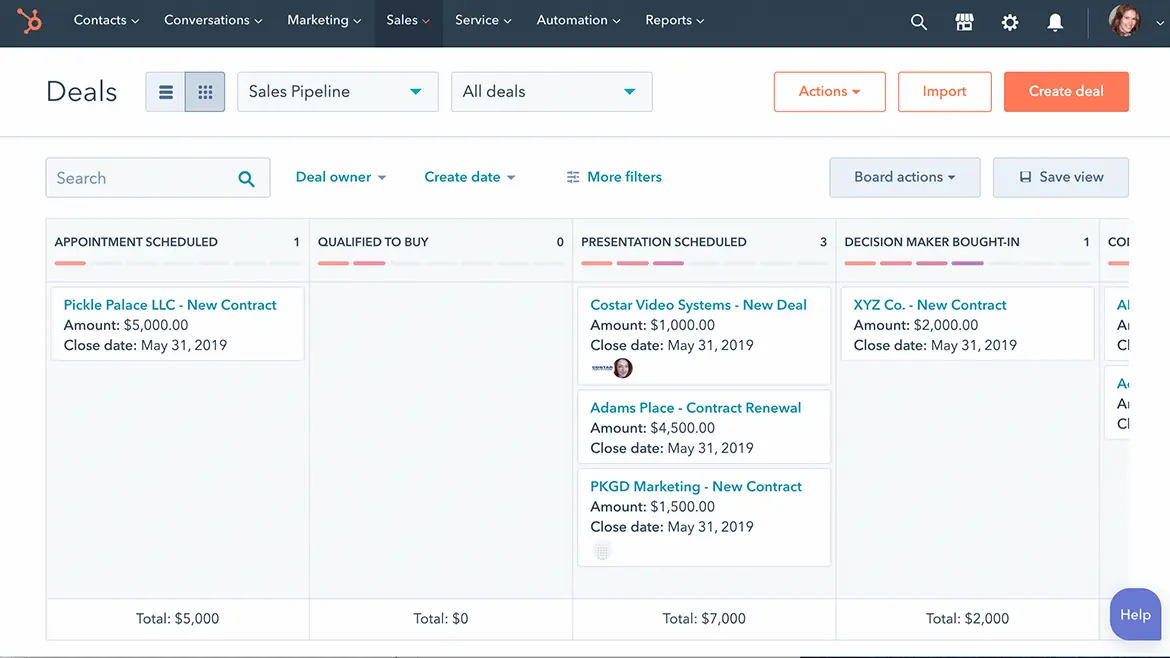
Hubspot has several modules for marketing automation as well as CRM and content management (website, blog). With ergonomics known to be “user friendly,” Hubspot is very popular with medium-sized companies and especially with startups.

Another key player in the automation market, Marketo, is an all-in-one solution that includes lead management and qualification, email automation, and analysis throughout the funnel. Its functional richness and positioning lead it to be adopted more by companies well familiar with the subject or by large accounts—especially when the latter use tools by Adobe, which acquired Marketo in 2018.

Edited by Salesforce, Pardot is unsurprisingly often adopted by companies that are already customers of the editor for its CRM solution. This has the advantage of simplifying communication between marketing automation and CRM. Like Hubspot and Marketo, Pardot automates marketing scenarios to achieve the best possible qualification of contacts.
Marketing automation is not the exclusive domain of these specialists and historical players. Over time, emailing solutions have gradually expanded their scope and functions to become more like automation solutions. Such is the case for the integrated marketing platform Mailchimp.
Although marketing automation solutions have been developed over the years to cover more and more contact points (landing pages, chatbots), in practice, none of them is exhaustive. In other words, marketers can’t escape the “best of breed” (i.e. the combination of several solutions) to work on the entire path of their prospects or to take advantage of communication channels that are not yet fully exploited.
The email signature also figures among these channels.
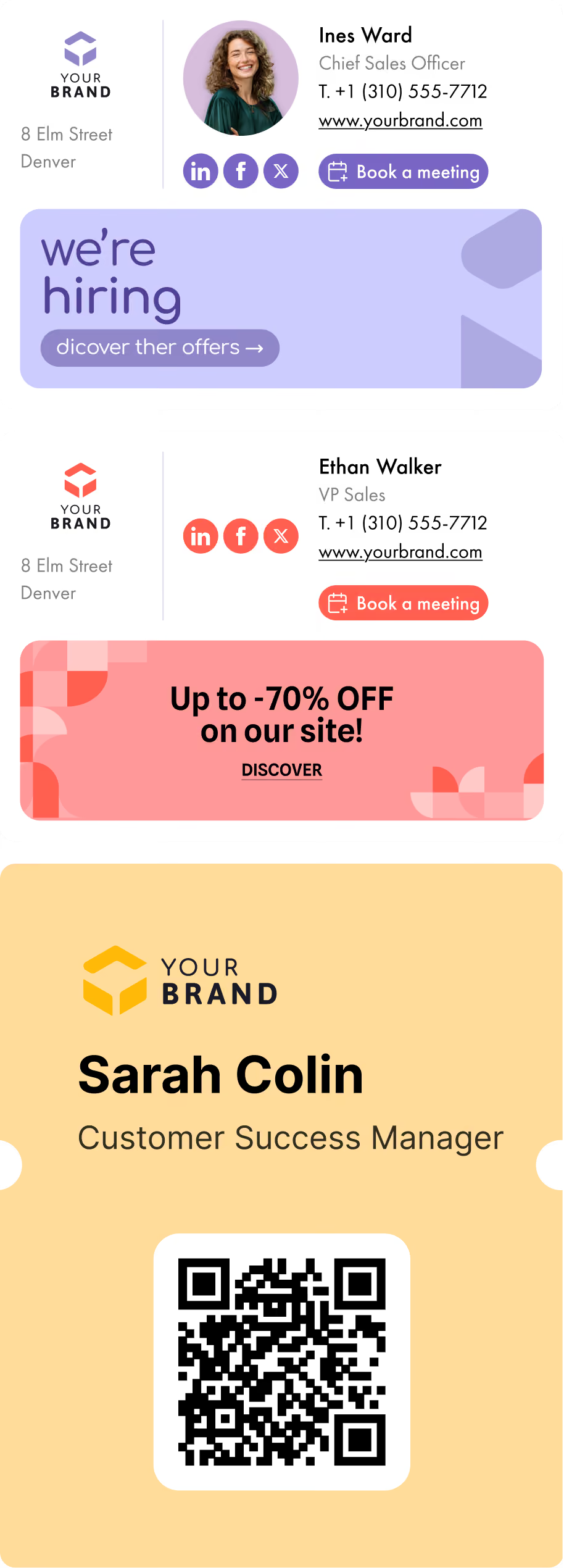
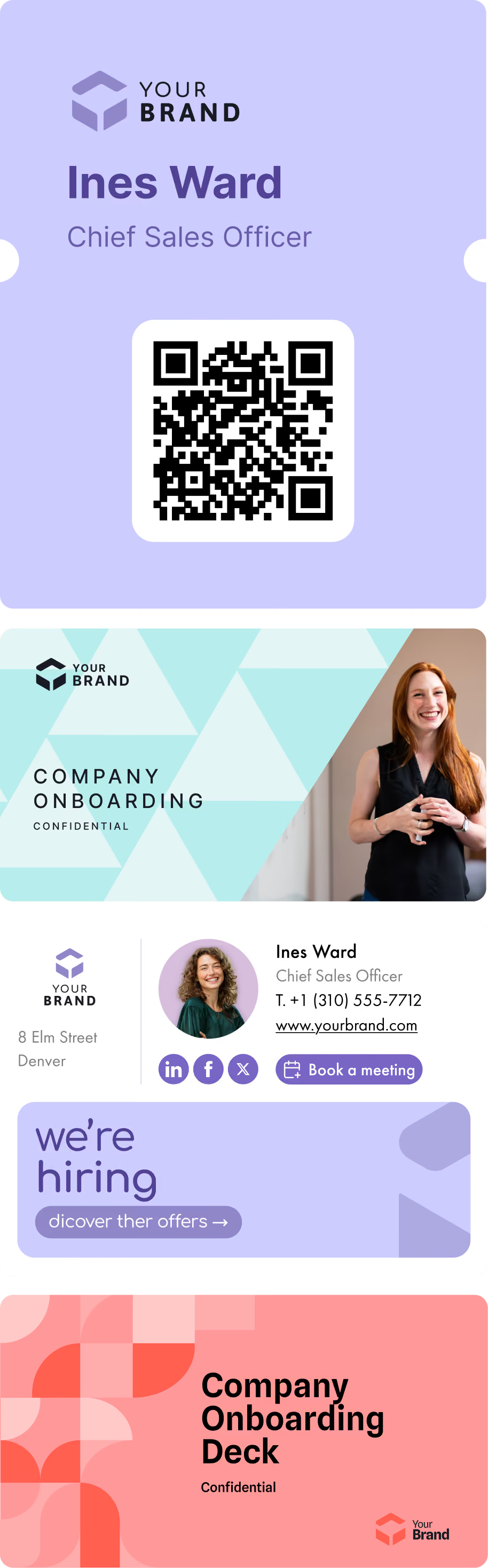
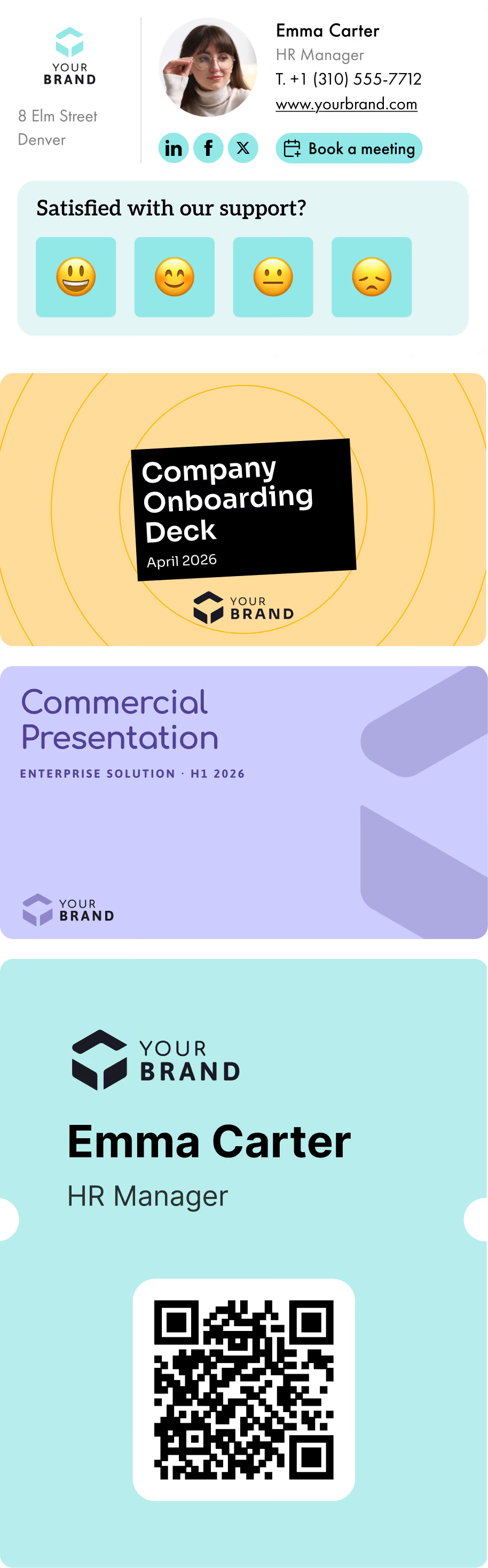
Automating management of these signatures makes it possible to use them as a marketing channel in their own right—thanks to clickable banners that enhance your content and campaigns. However, to achieve this, companies must assure strong integration with environments such as Microsoft 365 or Google Workspace to match the company’s organization and to guarantee a productive orchestration.

This is the role of a SaaS solution like Letsignit, which has its place in the marketing stack to help marketers deliver the right content, at the right time, and to the right person.