

"Employee Engagement is the New Content Marketing Strategy," headlines Marketing Insider Group. A short phrase that perfectly captures the current trend. With declining organic performance on social media (especially for posts published from corporate accounts) and sometimes streamlined sponsorship budgets (caution being the norm in the Covid era), all eyes are turning to a high-potential touchpoint: employees.
Whether we talk about employee advocacy (the ability of employees to become brand ambassadors) or social selling (best practices for prospecting via social networks), the motivations are similar. A message is much better received when it comes from employees.
The Global Marketing Alliance (GMA) has put numbers to this observation: brand messages are shared 24 times more when they come from employees rather than the brand itself.
It is no surprise, then, that marketing teams are increasingly welcoming employee advocacy managers into their ranks, a role often focused on social networks.
According to the same GMA study, the combined number of LinkedIn connections held by a company’s employees is ten times greater than that of the company’s official account. Surprisingly, similar statistics are rarely mentioned when it comes to email.
And yet, the volume of emails sent daily by employees rivals their total social media interactions. On average, each employee sends 40 emails per day. These emails are highly contextual, as they are part of ongoing conversations and exchanged between people who already know or recognize each other.
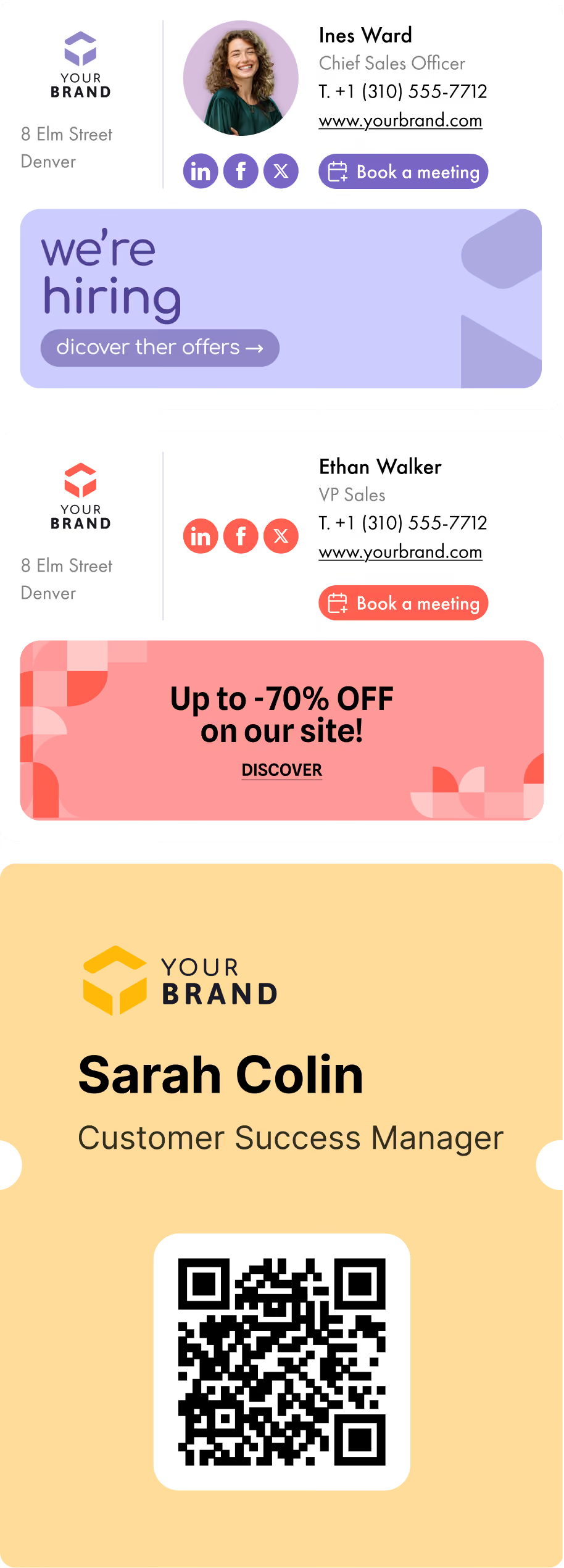
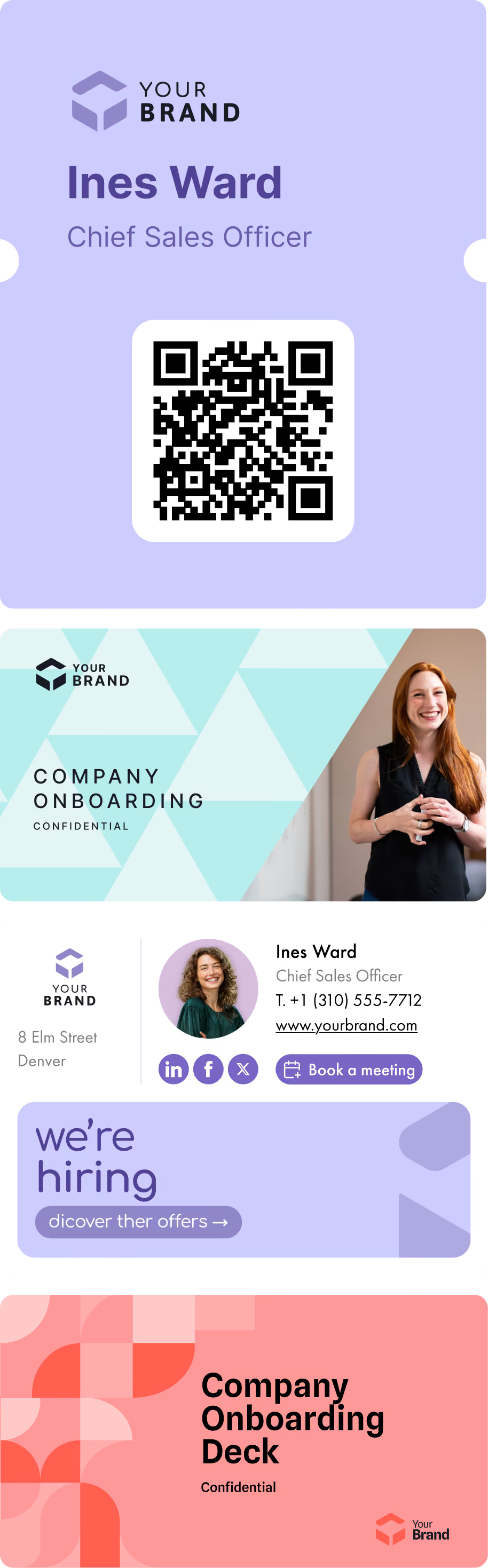
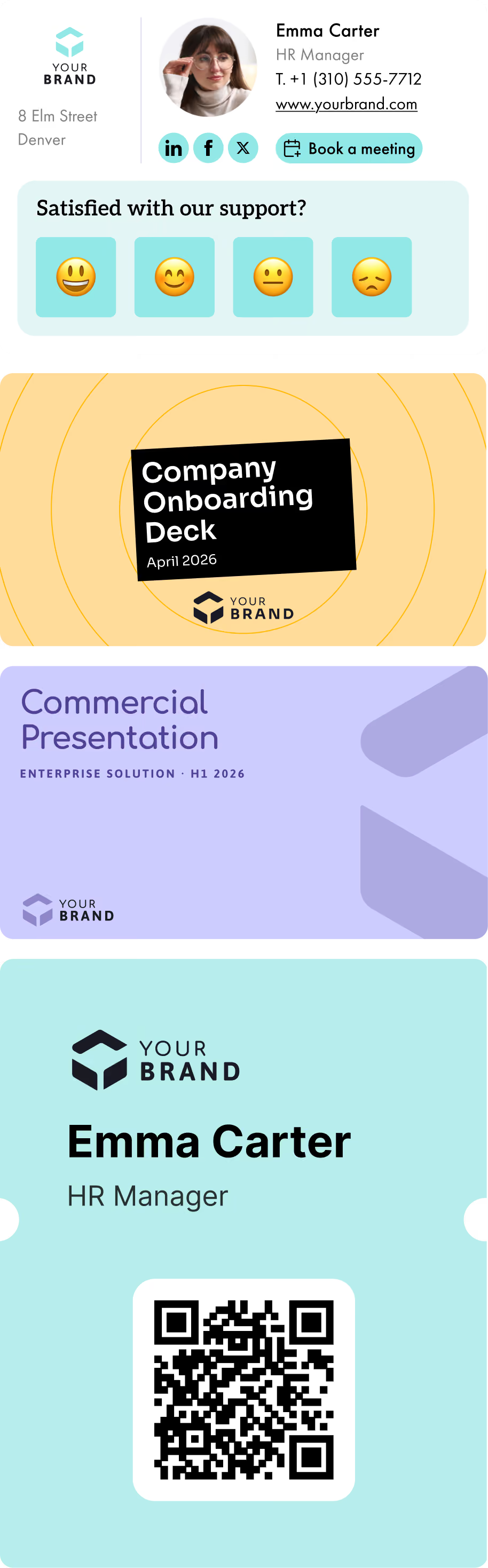
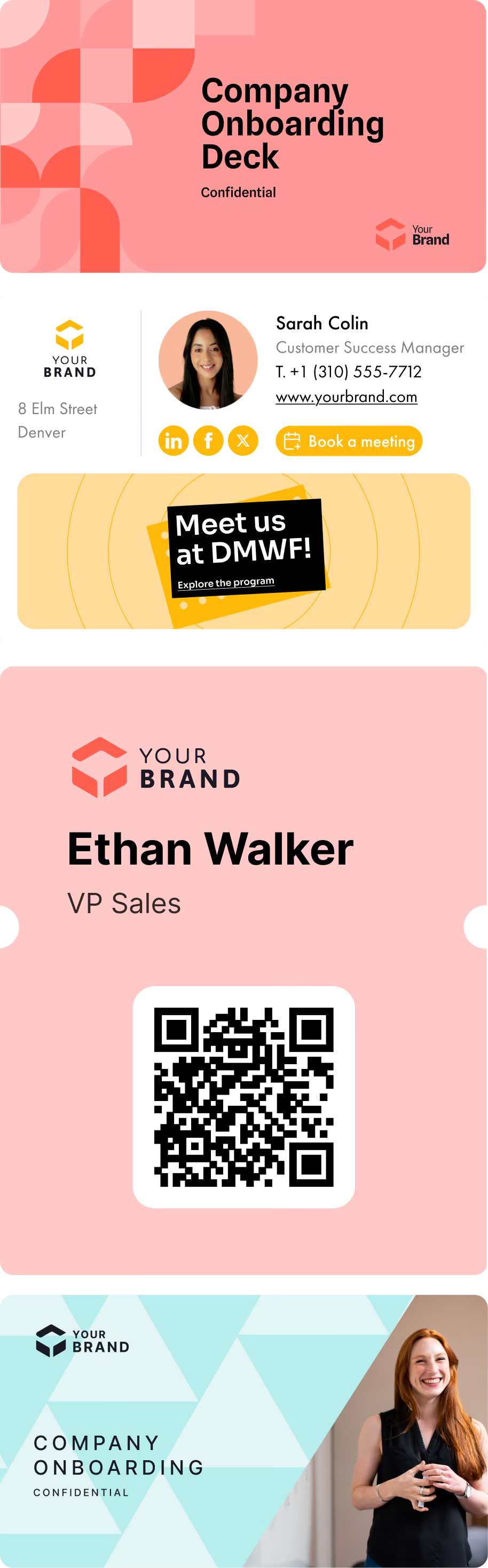
Moreover, these emails carry a valuable asset: a signature that showcases an identity and conveys a message related to a current campaign, event, or announcement.
By default, email signatures are neither centralized nor managed like campaigns, much like the professional messages employees post on their social networks. On the social media front, many companies have equipped themselves with so-called advocacy solutions – they have plenty of options. With these tools, they can offer ready-to-publish posts to their employees, gamify the sharing of these contents, and analyze performance.
Good news for the advocacy manager: the same approach can be applied to email signatures. A solution like Letsignit provides all the necessary functions to integrate email signatures into marketing campaigns.
Editing signatures, distributing them to the right employee groups, tracking the performance generated… Letsignit turns email signatures into a real communication channel and offers an additional lever for the advocacy manager.
With such tools, the advocacy strategy can easily be implemented both on social media and through email signatures.
It’s a great way to engage all employees, including those who are less active on social networks or hesitant about sharing company messages from their personal accounts.
Because it is inherently part of professional use, the email signature is immediately accepted by employees as a professional channel.
All that’s left is to equip it…




.svg)


