Consumer habits have evolved significantly in recent years. Thanks to a wide variety of tools at our fingertips (smartphones, tablets, and computers), everyone now uses several channels daily to browse the web. In order for a message to reach its target, it's now essential to adapt communication to this new reality. Here's how to implement a multichannel communication strategy!
Before diving into the subject, let's start by defining "multichannel communication."
The principle of a multichannel strategy is simple: establish an interaction with your consumers or prospects across multiple channels in a cohesive way. Throughout the purchasing journey, you communicate with your target audience via email, SMS, social media, and also in real life, for example, at physical events.
A multichannel strategy ensures your presence across all potential touchpoints with your clientele. By carefully choosing each channel based on your target's habits, you increase your chances of reaching and retaining them.

Multichannel digital communication offers several advantages. It allows you to:
In the context of internal communication, multichannel distribution also has several strengths:
Also, check out our blog article on internal communication touchpoints for more tips on the subject.

By definition, a multichannel communication strategy (from "multi," meaning "many") uses multiple communication channels simultaneously to increase both online and offline presence.
In a successful multichannel communication strategy, carefully chosen channels are used to reach the target audience at different contact points. The idea is to generate engagement on each channel used.

An omnichannel strategy (from "omni," meaning "all") includes all available means of communication, with a slightly different goal.
The focus here is to provide a holistic experience and promote a comprehensive understanding of the brand. Additionally, the omnichannel strategy is more customer-centric and focuses on the overall experience.


Another confusion may arise, this time between "multichannel" and "cross-channel."
In cross-channel marketing, the goal is to create strong cohesion between the different communication methods used, within a predefined strategy. Each channel plays a specific role at a given time, which facilitates or accelerates the customer's journey.
Multichannel marketing, on the other hand, takes a more flexible approach, aiming to establish as many contact points with the customer as possible.

To illustrate our point, let's take an example of a successful multichannel strategy with FNAC. This company, specializing in the sale of electronics and cultural products, has developed a clever multichannel strategy with its "VIP events."
Here, only customers who join their loyalty program are invited to these events. These events are special promotions or opening hours accessible only to members.
The success of this strategy lies in the effective use of various communication channels (website, emails, SMS, push notifications) to create a sense among members that they belong to an exclusive group. With such a variety of touchpoints, engagement is maximized.
Here’s how to implement an effective multichannel communication strategy in 5 steps.
First and foremost, it's essential to clearly define your communication target. Knowing your audience inside out allows you to best meet their expectations and needs.
In the case of external communication, this involves identifying the profile of your ideal consumers and prospects. This includes analyzing sociodemographic and psychographic data, understanding their needs, desires, frustrations, and consumption habits.
For an internal multichannel strategy, the task is easier: you are likely already familiar with your collaborators! However, to improve your communication, you can conduct surveys and interviews to better understand the members of your teams.
This step is crucial for establishing an effective multichannel strategy. The key is to select the right communication channels and use them appropriately.
To make your multichannel communication strategy effective and reach your goals, it’s not enough to randomly choose channels.
It’s important to understand the specific nature of each channel and the rules that govern them to tailor your message accordingly.
By understanding the parameters of various communication channels and social networks, you can:
It’s up to you to determine the type of content to prioritize for each channel, but most importantly, according to the communities following you on each one!
Running a multichannel strategy means adapting your communication to each channel while ensuring the overall message is clear and consistent.
Your communication teams are likely divided into different sectors (community management, customer relations, public relations...). Therefore, ensure that every communication from these sectors aligns with your brand’s positioning and general message.
The coherence and impact of your message also depend on the way your channels are coordinated. While it’s not necessarily about creating a "funnel" strategy like in cross-channel communication, you need to ensure that all channels work well together. Your audience should be able to transition seamlessly from one channel to another.
To enhance the effectiveness of your multichannel strategy over time and evaluate the relevance of the different channels in line with your objectives, the final critical step is tracking performance.
Define reliable performance indicators, such as (non-exhaustive examples):
Also, study how different channels interact with each other in the customer journey to optimize your strategy moving forward. It’s possible that your strategy works well for one communication channel but is less effective for another.
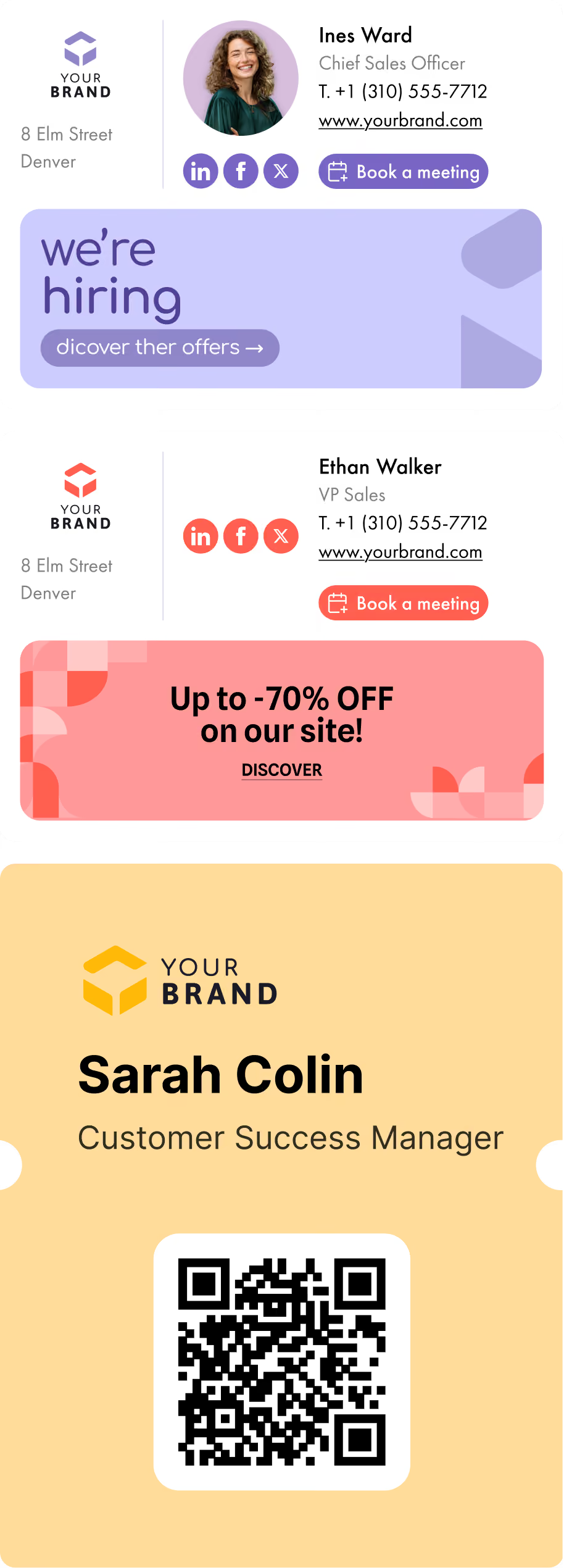
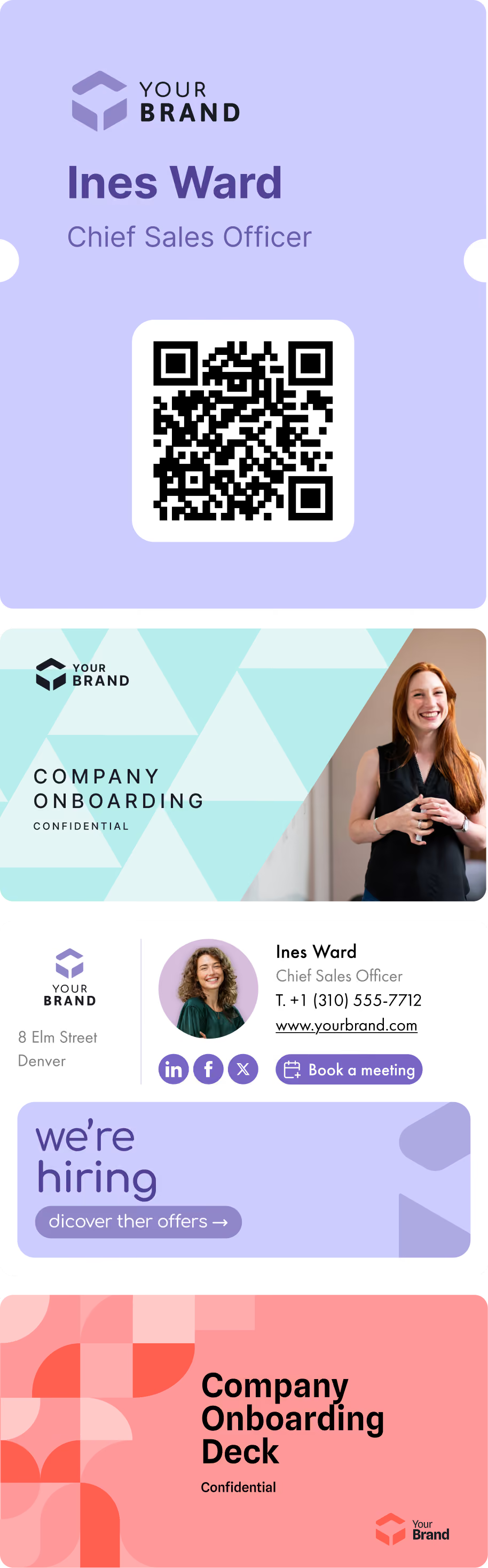
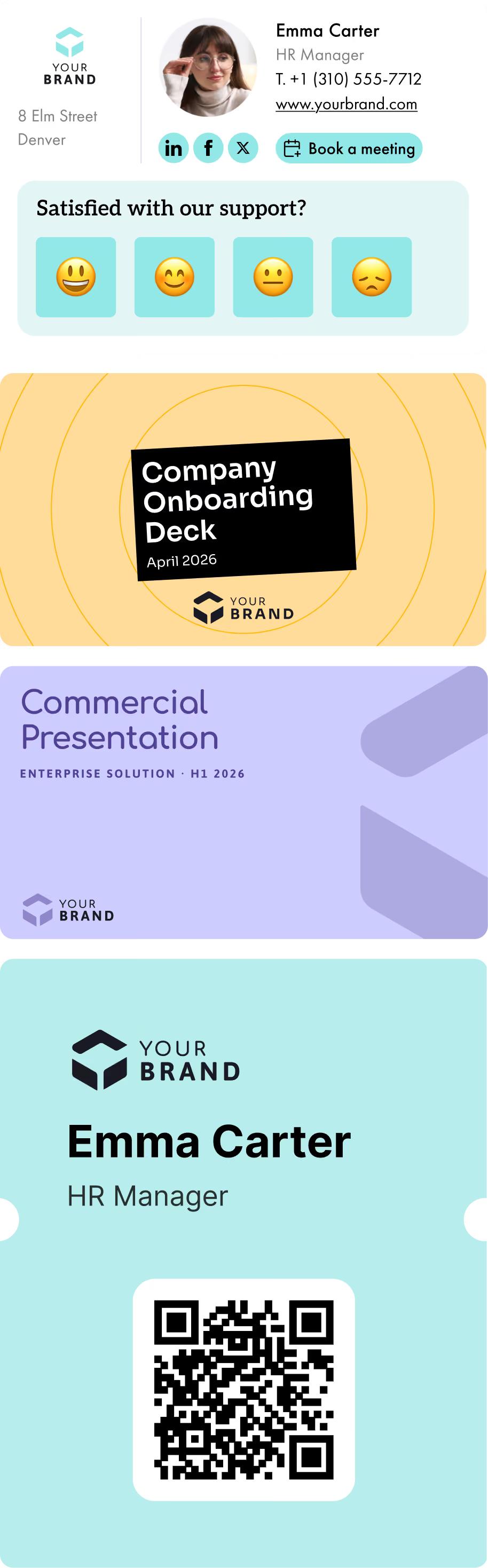
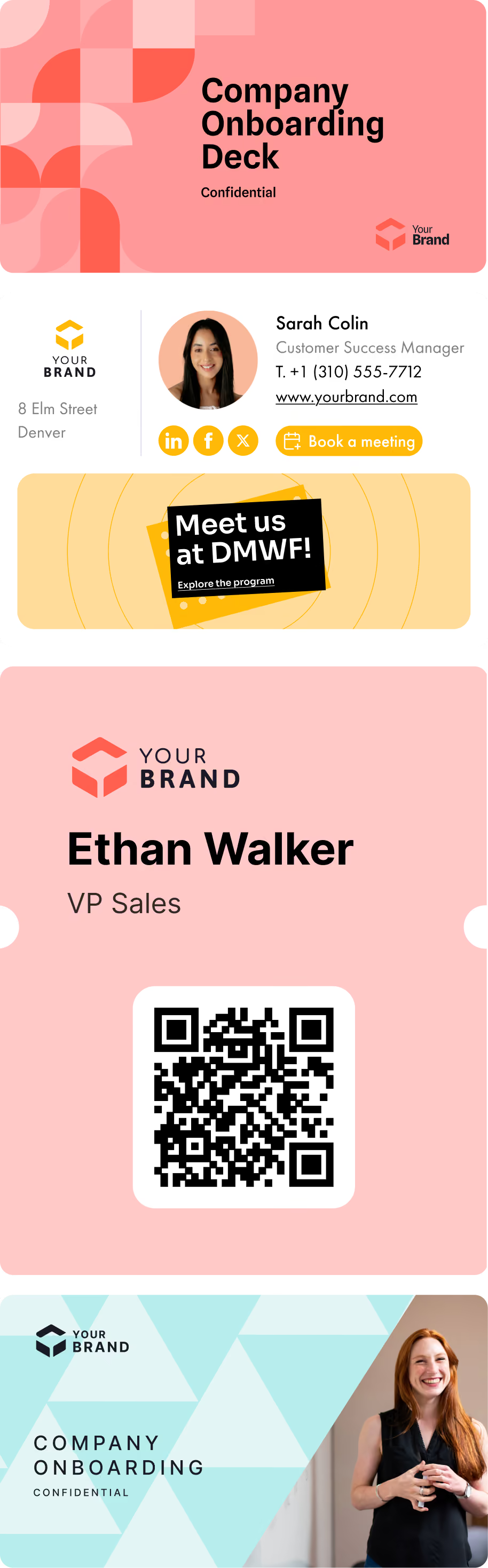
For your multichannel communication strategy, whether internal or external, you can leverage the power of email signatures.
The advantages are numerous:
With our email signature creation and management tool, we provide a comprehensive and effective solution for all your collaborators' email signatures. Our banner creation and integration tool allows you to transform your collaborators into brand ambassadors.
With Letsignit, your email communications become even more impactful, without being intrusive.